


Key drivers in our operating environment
Key driver: SA's economic growth is constrained in the absence of structural reforms and investment
Response
Although we expect the uncertain
and fragile operating environment
in SA to remain, we have a track
record of outperforming, and we
are confident into the
medium-term.
Bidvest’s basic-need services and
everyday essential product ranges
should stand us in good stead,
especially when coupled with an
innovative, value-adding mindset.
Stakeholders impacted
- Equity and debt investors
- Government, governing and regulatory bodies
- Partners and potential partners
- Customers
- Suppliers
Performance
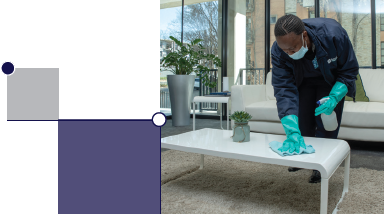
23% trading profit growth
3x SA real GDP growth
Focus on growth sectors – mining, agriculture, private sector infrastructure spend,
alternative energy,
e-commerce
Expenses well managed, +4.7%
Financial strength allowed for increased investment in inventory in Commercial Products and Branded Products
Key driver: SA government policy and regulation
Response
SA’s need for real GDP growth to create social and economic prosperity for all is undeniable. Bidvest is actively participating in national workstreams incorporating labour, government, civil society and business to achieve real and sustainable GDP growth. Enabling and aligned legislation that cuts across sectors is key.
The recent interventions announced as part of the energy crisis plan, opens the door for considerable private sector self-generation.
Stakeholders impacted
- Government, governing and regulatory bodies
- Partners and potential partners
- Customers
- Suppliers
Performance
Lifting of the self-generation cap to 100Mw led to a notable increase in demand for products and services into renewable energy sector
Established truck staging areas outside Durban Harbour to alleviate congestion
Active engagement with Transnet around potential public private partnership for bulk terminal
Ongoing active participation in deliberations with government and engagement through industry bodies, for example Business Leadership SA, will support reform
Key driver: Technology advances to enhance Group businesses
Response
Technology brings opportunity to enhance efficiency, improve service and reduce environmental impact. It also drives changed behaviours and needs, to which we respond accordingly.
Stakeholders impacted
- Employees and trade unions
- Partners and potential partners
- Customers
- Suppliers
Performance
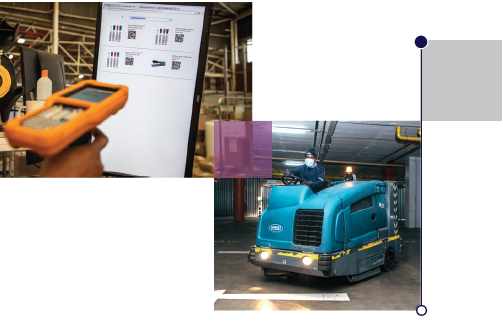
Technology and innovation
introduced to drive internal
efficiencies and optimise sale
channels (for example robotic process
automation to efficiently handle
high-volume transactions in Bidvest
McCarthy; cable length tracker in
Burncrete to reduce rope wastage;
Car Scan to do claim assessments
in Bidvest Insurance; etc)
Additional capabilities in ALICE to continuously monitor external threats in addition to basic IT hygiene
Introduction of cobotic cleaning and mobile water recycling systems by Noonan and electric vehicles into the PHS fleet, all aimed at reducing environmental impact
Key driver: Consumer spend
Response
Consumer spending is expected to remain under pressure, especially as infl ation ticks up. Consumer healthcare spend on preventative measures is forecast to increase as health concerns and protecting families take priority.
Stakeholders impacted
- Equity and debt investors
- Customers
- Suppliers

Performance
The nature of the majority of the Group’s products and services are designed for everyday use, by a wide customer base
Multiple new product launches in Adcock Ingram
Strategic focus to expand consumer product offering in Adcock Ingram
Multi brand representation allow for consumer choice at tiered price points
Pressure evident as entry-level vehicle volumes outstrip luxury
Key driver: Resilient out-of-home hygiene and facilities management market
Response
The hygiene market is increasingly resilient and is supported by structural growth drivers such as urbanisation, a growing middle class, growing and aging population as well as hygiene and safety standards in the food, pharmaceutical and retail sectors. The global outbreak of the pandemic has undoubtedly heightened the awareness of, and the need for, out-of-home hygiene.
The need to provide safe, hygienic and pleasant workplaces and operating environments support active facilities management.
Stakeholders impacted
- Communities, including community-based organisations, non-profit and non-governmental organisations
- Government, governing and regulatory bodies
- Partners and potential partners
- Customers
- Suppliers
Performance
The continued reliance on hygiene and wellness services remains strong, but the end of strict pandemic controls is impacting these offerings
Technology driven and/or enhanced customer solutions include smart building solutions and bluetooth enabled access control launched by Noonan achieving touchless access control
Bidvest Facilities Management secured a material contract in the telecommunication sector, establishing themselves a leader in this niche
Key driver: Infrastructural development and maintenance
Response
Infrastructural investment and maintenance have been limited. Government’s ability to credibly address the precarious position of several SOEs, initiation of development programmes and ongoing maintenance of national infrastructure and key facilities remains critical to achieve sustainable growth in the SA economy. Private sector also needs to invest to establish and grow businesses and industries.
Stakeholders impacted
- Equity and debt investors
- Government, governing and regulatory bodies
- Partners and potential partners
- Customers
Performance
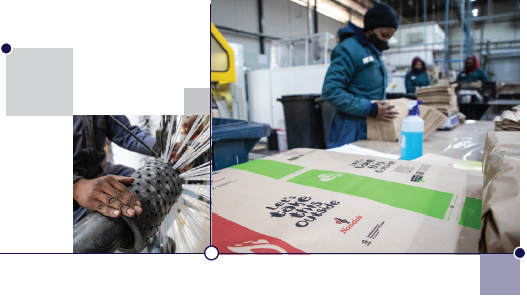
Commercial Products benefited notably from private sector investment
Rail inefficiencies impacted volumes handled in Bulk Connections, SACD
Extensive loadshedding necessitated the use of generators, increased diesel consumption
Solar solutions no longer only an environmental impact consideration but a risk mitigant. Phased plan to roll out solar solutions to Bidvest properties
Technology driven customer solutions include air and ground monitoring of rail networks; renewable energy solutions