


Salient features
|
|
Review of the year
| R million | Year ended 30 June 2020 |
Year ended 30 June 2019 |
Change | ||
| Revenue | 2 650 | 2 701 | (1.9%) | ||
|---|---|---|---|---|---|
| Trading profit | 304 | 585 | (47.9%) | ||
| Trading margin | 11.5% | 21.6% | ↓ | ||
| EBITDA | 533 | 836 | (36.2%) | ||
| Average Funds Employed | 3 704 | 3 558 | 4.1% | ||
| ROFE | 8.2% | 16.4% | ↓ |
Trading profit declined substantially, by 48% to R304 million.
Bidvest Bank's non-interest revenue was severely affected by COVID-19-related international travel restrictions, which negatively impacted foreign exchange and currency card revenue streams. This resulted in all foreign exchange flows slowing precipitously as international borders closed.
Our fleet business remains challenged, largely due to capital paydowns on the older fleets and a Transnet contract, which has had a slower-than-expected implementation.
New insurance policy sales were under pressure. Operating expenses increased and as a result, margins were lower.
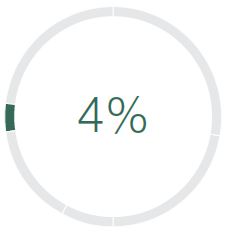
It is, however, pleasing that Bidvest Bank's liquidity remains healthy, which is key as we reposition for a better future. Deposits grew 14% to R7.3 billion, loans and advances were 17% higher at R3.1 billion and leased assets declined 13% to R1.4 billion. In terms of National Treasury's SARB loan guarantee scheme introduced in response to the COVID-19 pandemic, R325 million was allocated to Bidvest Bank. Two-thirds of the loans and advances book were granted payment deferrals. The IFRS 9 Expected Credit Loss provision increased and was driven by the impact of COVID-19 on the global and local economy.
As consequence of the pandemic, Bidvest Bank's new business roll-out was slower than anticipated. The upgraded online banking platform was successfully introduced with enhanced functionality. The rationalisation of the branch network has been accelerated in response to the roll-out of digital banking, foreign exchange and money transfer capabilities, as well as changes in customer demand.
The reduction in client pension contributions and employee headcounts, which were witnessed across all sectors of the South African economy in response to COVID‑19, affected the Bidvest Wealth and Employee Benefits business.
Bidvest Insurance declined slightly on the back of lower vehicle sales. But the insurer's direct channel sales held up well, with several new products launched in the second half of the year, and we intend continuing this momentum into the new year.
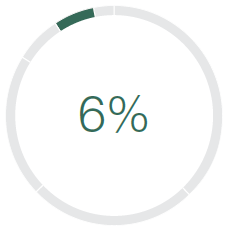
Bidvest Life grew its gross written premiums by 18%, which was offset by higher customer acquisition costs and broker commissions, resulting in expanded losses.
The Tradeflow and FinGlobal businesses reported strong results, largely as a result of restructuring efforts initiated to curb expenditures. Compendium held its own and delivered an acceptable result considering the slowdown in the personal and business insurance sector.
Investment income increased year-on-year with an additional team employed to focus on growth opportunities, increase sales and top line revenue.
Looking forward
We are implementing a streamlined business structure in support of our updated strategy. This has been altered to better respond to the changing nature of global financial services, specifically digital migration and innovation, but also to reflect the devastating effects brought about by the pandemic.
Our focus on reducing the cost of doing business is a major imperative. Equally important, is the attention we are giving to maintaining Bidvest Bank's balance sheet strength and liquidity, as well as its healthy deposit base.
We are also exploring new banking and foreign exchange alliances within Bidvest Bank. Bidvest Insurance product launches are being introduced, which we believe will assist in growing the book.