


Salient features
|
|
Review of the year
| R million | Year ended 30 June 2020 |
Year ended 30 June 2019 |
Change | ||||
| Revenue | 18 263 | 22 848 | (20.1%) | ||||
|---|---|---|---|---|---|---|---|
| Trading profit | 178 | 532 | (66.6%) | ||||
| Trading margin | 1.0% | 2.3% | ↓ | ||||
| EBITDA | 215 | 609 | (64.6%) | ||||
| Average Funds Employed | 2 579 | 4 106 | (37.2%) | ||||
| ROFE | 7.0% | 13.0% | ↓ |
The Automotive division's motor retail unit produced encouraging results for the first nine months of the financial year showing growth in trading profit, notwithstanding a declining new vehicle market and difficult used car market given the prevailing low consumer and business confidence. However, South Africa's automotive industry was completely ravaged by COVID-19 and the impact it has had on the global automotive sector.
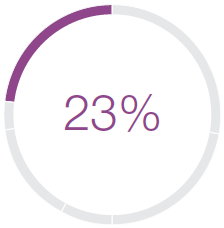
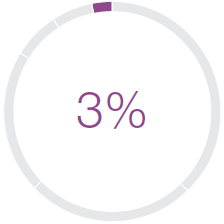
As a result, the division's trading profit from continuing operations decreased by 67% to R178 million for the year under review. This is very evident in the sales: Bidvest McCarthy sold 24% fewer new vehicles and 22% less used vehicles, and luxury sales continued to decline disproportionately.
We currently sell at a ratio of 1:1.1 new cars to used cars, whilst our target ratio of 1:2 remains. In response to this, we have further developed a system implemented last year that better facilitates the buying of good fast-moving used vehicle stock, together with real time dynamic used vehicle pricing using technology enabled science.
The effects of declining car parc, particularly the portion under service and maintenance plans, continued to put elevated pressure on our aftermarket activities.
The gross profit margin increased by an encouraging 60bps. The year's trading profit was supported by the profitability of the Toyota, VW/Audi and Nissan/Renault franchises. Our dealerships in Namibia delivered a credible performance and Burchmores was profitable, despite a weak fourth quarter.
Car rental is not seen as a future strategic fit, which has informed our decision to divest from this sector of the automotive industry.
Data processing 'bots', which we introduced in select shared service functions specifically related to high volume financial transactions, are already delivering a visible and positive impact on efficiencies. We are supporting several other innovative ICT projects, including additional Robot Processing Automation, streamlining integrated reporting processes, as well as enhancing Burchmores' new online auction system and maintaining our COVID-19 business management app to protect the continued safety of our customers and staff.
Looking forward
We have increased our focus on driving down the division's cost and asset base, while acknowledging that due to the extraordinary operating context, the absolute vehicle inventory is currently higher than normal and will take time to work down. We will consider further restructuring when expected buyer demand becomes clearer. The timing of this is difficult to predict as the effects of COVID-19 must diminish and South Africa's economic recovery is firmly linked to corporate and other institutional growth, as well as individuals' incomes.
We are seeing some signs of revival, albeit small and off a relatively low base. Following the slow return of some economic activity post the lockdown periods, new and used car sales, as well as workshop volumes, have been surprisingly positive relative to the pre-COVID-19 February month. The impact of large-scale retrenchments, however, across the South Africa economy and constrained disposable income could disrupt the demand rebound in coming months.