


Salient features
|
|
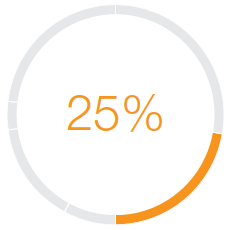
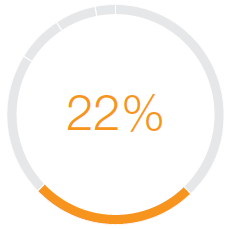
Review of the year
| R million | Year ended 30 June 2020 |
Year ended 30 June 2019 |
Change | |||
| Revenue | 17 327 | 11 858 | 46.1% | |||
|---|---|---|---|---|---|---|
| Trading profit | 1 404 | 941 | 49.2% | |||
| Trading margin | 8.1% | 7.9% | ↑ | |||
| EBITDA | 1 658 | 1 091 | 51.9% | |||
| Average Funds Employed | 6 476 | 2 846 | 127.5% | |||
| ROFE | 23.2% | 33.1% | ↓ |
This is the first annual reporting period for the newly created Branded Products division, which was formed when Adcock was combined with the former Office and Print division, together with certain other consumer businesses.
The inclusion of Adcock boosted the division's trading profit by a significant 49% to R1.4 billion. Cash generation was excellent, primarily due to very well controlled operating expenses.
Additionally, our restructuring and rightsizing processes, based on the anticipated revenue reductions, will result in improved efficiencies and more agile companies. Generally, but with the exception of companies supplying essential service providers, the COVID-19 lockdown resulted in lower volumes, which led to reduced rebates and negatively impacted gross profit.
Despite the demand volatility brought on by the pandemic, Adcock performed well, with annual sales 4% ahead of the prior year, and trading profit ended basically flat. Margins were impacted by a weaker exchange rate, COVID-19 related costs and lower recoveries at certain facilities. Adcock Ingram's Critical Care and Consumer units, however, delivered excellent performances. There was a commendable performance from OTC but results from the Prescription unit were adversely affected by fewer patients consulting doctors and the pandemic-led postponement of elective surgeries.
Remote working and online schooling resulted in reduced demand for our printing and office related services and products. The lockdown saw an acceleration of communication to electronic platforms which adversely impacted Data. Bidvest Mobility, however, experienced enhanced demand for their supply chain-based technology solutions. Labels supplied to essential service providers did well while packaging geared towards e-commerce delivered a pleasing result. Consumer products were negatively impacted by constrained consumer demand and trade restrictions.
Our office products businesses did well to maintain margins considering the circumstances. This was driven by Konica Minolta, which successfully bedded down the National Treasury contract, and Kolok, which managed overall returns well despite a decline in cartridge volumes. Waltons implemented a new warehouse management system and improved its online offering. Overall, office furniture was down, but Cecil Nurse's manufacturing unit did well after improving its efficiencies and developing new 'work from home' and safety product ranges. This will serve clients better and more efficiently going forward.
The severely constrained economy and the lockdown restrictions on shopping led to lower demand for consumer products, resulting in lower trading profits from our Home of Living Brands, Silveray and Interbrand/MIC businesses. In response, and despite a return to a better level of consumer activity, we have focused on numerous interventions, among others, on boosting various online product sales and have seen this strategy starting to gain traction.
Looking forward
Adcock will continue to seek appropriate business and product acquisitions.
While we have seen some resumption of trade in certain segments of the office and print market, a large degree of hesitation is evident. This year's results will remain dependent on the levels and the speed to which people return to their traditional work and schooling environments.
Demand patterns are likely to remain unpredictable in the short term. Over the past year, virtually all businesses were rightsized in response to our forecasts of continued lower demand and we will continue to pursue business efficiencies.
We are, simultaneously, expanding and improving our online innovations and offerings.