|

|


| Currently viewing: Bidvest South Africa / Next: Bidvest Foodservice | ||||||||||||||||||||||||||||||||||||||||||||||||||||||||||||||||||||||||||||||||||||||||||||||||||||||||||||||||||||||||||||||||||||||||||||||||||||||||||||||||||||||||||||||||||||||||||||||||||||||||||||||||||||||||||||||||||||||||||||||||||||||||||||||||||||||||||||||||||||||||||||||||||||||||||||||||||||||||||||||||||||||||||||||||||||||||||||||||||||||||||||||||||||||||||||||||||||||||||||||||||||||||||||||||||||||||||||||||||||||||||||||||||||||||||||||||||||||||||||||||||||||||||||||||||||||||||||||||||||||||||||||||||||||||||||
Bidvest South Africa
People are our principal asset. What we sell is their expertise and their ability to add value.Lindsay Ralphs | Chief executive, Bidvest South Africa OverviewOverall performance was satisfactory, with some pockets of excellence in what was an extremely challenging period, not just for our divisions, but for South Africa as a whole. The national economy struggled to deliver meaningful growth and several sectors faced severe pressure. Even so, Bidvest South Africa grew turnover to R87,4 billion (2014: R80,0 billion) while trading profit rose to R5,1 billion (2014: R4,9 billion). Both turnover and profit reached record highs; a product of both organic and acquisitive growth. ROFE fell to 42,5% (2014: 49,4%). We continued to invest in our people, with training investment including learnerships and bursaries up 24,0% to R507,3 million (2014: R381,3 million). At a time when job cuts were rife in many industries, we did all we could to grow or save jobs and our headcount fell slightly through contracts that ended. Though staffing varied in line with contract fluctuations, we engaged in no significant retrenchments. Exceptional results from Electrical, Industrial, Paperplus, Rental and Products, and Services were achieved. They are not our largest divisions, but their flexibility enables them to rapidly pursue opportunities. Bidvest will continue to support and drive the transformation agenda just as aggressively as we have in the past. Improving our B-BBEE position as a Group is demonstrated in the continued improvements over the past few years. The Bidvest Group achieved a Level 2 status (2014: Level 3) in the recent B-BBEE verification process. Succeeding against the oddsIndustries such as construction, manufacturing and mining experienced extremely difficult times. Figures from Statistics South Africa for the June quarter show quarter-on-quarter contraction of 6,3% by manufacturing and 6,8% by mining, yet divisions like Electrical and Industrial still achieved growth. We are not one single centralised business. We have many moving parts. Within each division several independent businesses focus on specific customer groups. These operations are led by hands-on managers who stay close to developments. We have intense operational focus. What we do not have is a bureaucracy. Our people are personally accountable for contracts, relationships and outcomes. We are nimble and responsive. In tough times, customers look for service providers who deliver solutions that fit their needs, who do not waste time, and who get the job done. This ability to cut the frills and deliver is a key differentiator across all teams in Bidvest South Africa. The B-BBEE environment has changed quite significantly. This change is exacerbated by the divergent views in the public sector on how to achieve these objectives. Further complexities are presented by the additional requests of various stakeholders – this, in an attempt to meet their own B-BBEE requirements and commercial objectives. These requirements vary and at times fall outside the framework of the Codes of Good Practice on B-BBEE. This will, however, not deter Bidvest from continuing its path of transformation and we will do so in a manner that is socially, ethically and commercially viable.
I thank all our people for their contribution in a difficult year. The balance sheet reflects acceptable levels of all-round performance. Balance sheets never itemise the individual effort and dogged pride in performance that are necessary for growth in a largely stagnant economy. I salute our people for their sheer hard work. People are our principal asset. What we sell is their expertise and their ability to add value. We are proud of our people. They often work in quite basic services that don’t enjoy a high profile. Our people also feel pride in the overall team; as showcased by the annual Bidvest Unity Walk. This 10-kilometre charity walk is one of South Africa’s biggest mass participation events and occurs simultaneously in Johannesburg, Cape Town, Durban and Port Elizabeth. At the last event, registrations by staff and guests topped 64 000, enabling big support for designated charities.
Product and service development occurs continuously in all operations. This can be tactical and opportunistic, involving new product introductions and range extension. Strategic innovation is also evident. We operate in the trading, services and distribution environment. These are well-established industries and many of our businesses are quite mature. However, mature businesses are not stagnant businesses – at least, they are not at Bidvest. To survive and thrive it is necessary to take a dynamic approach to one’s industry. As traditional activities come under threat, reinvention becomes essential. This process is seen clearly at a business like Paperplus. Its traditional print volumes are being eroded, but new digital offerings are constantly explored. The Paperplus voter registration product exported to Tanzania is bio-metrics and digitally based. Years ago, registration papers would have been printed and filed, now the data is digitally recorded and stored. Reimagining the industry is also evident in other divisions. For instance, Automotive is reinventing car marketing via innovations such as the virtual showroom. On other occasions, new concepts widen a previously narrow franchise – a process that has revitalised Execuflora and is currently underway at Financial Services. Rebalancing also occurs in the Office environment. Stationery volumes stall, but office technology from a brand like Konica Minolta achieves dynamic growth. AcquisitionA significant transaction was concluded late in the period when the Plumblink plumbing supplies and bathroom accessories chain was acquired for R430 million. Early in our new year, work began on Plumblink’s integration into Industrial. Management remains in place, continuity is assured and rapid consolidation is expected. The acquisition takes Industrial into a new, but complementary, market segment – plumbing contractor supplies. To a degree, this sector is recession-resistant as plumbing repairs by professionals rarely constitute discretionary spending. One significant disposal occurred – our sale of the Protea Coin assets in transit business. Structural changeA much-expanded Services division was created early in 2015 by consolidating Travel and Aviation and Rental and Products into Services. At the same time, Car Rental exited Travel and moved into Automotive while G. Fox was integrated into Industrial. The Super Services structure creates a comprehensive base for expansion into bundled services. Traditionally, our old Bidvest Services division had a strong “soft services” offering covering hygiene, cleaning, laundry, security and indoor plants. In contrast, the operations we acquired during the Mvelaserve transaction had a compelling “hard services” offering – technical support, call centre management, data management including intelligent reporting, and infrastructure maintenance services. The enlarged Services division offers perhaps the most comprehensive range of soft and hard services in South Africa’s corporate outsourcing market, enabling energetic pursuit of bundled services and facilities management opportunities. The strategy will be spearheaded by the Total Facilities Management Company – now rebranded Bidvest Facilities Management. The futureEconomic fundamentals remain a concern, but we are well positioned for further growth. In difficult times, our corporate customers expect cost-efficient solutions and savings. Our one-stop offering across numerous service areas addresses this very need. Our teams are well motivated and flexible – well able to respond to new opportunities as they arise. Our investment in people and technology has been maintained across market cycles, creating competitive advantage in many sectors of the economy. Progress was maintained in 2015, giving us the confidence to seek and secure renewed growth in 2016. The gazetted amended Codes of Good Practice on B-BBEE bring about new and more stringent measurement criteria. Our businesses continue to work on identifying gaps and improvement strategies in an effort to adequately respond to these new requirements. Bidvest further supports the small business development strategies embodied in programmes such as the recently launched black industrialist programme of the Department of Trade and Industry. Bidvest has expressed interest in partnering with government in strategic programmes of this nature and is confident that our combined efforts and resources will achieve much greater results.
A resilient performance in the face of rand weakness, firming interest rates, reduced credit availability and OEM incentives. An energetic team maintained the pace of innovation, notably into digital selling.Lindsay Ralphs | Chief executive, Bidvest South Afric OverviewDespite difficult trading conditions, the team did well as trading profit eased higher. Gains continued in the after-sales and used vehicle markets with the online marketing platform giving transactional capability. Bidvest Automotive became SA industry leaders with the first mobile virtual showroom launched. Low double-digit profit and revenue gains are projected for the coming year. Motivated teams backed by efficient systems will seek market share gains while another strong contribution is expected in the after-sales and used vehicle sectors. Further cost savings will be sought. A turnaround at current lossmakers is a priority while synergies will be developed with Bidvest Car Rental. Further impetus will be achieved by McCarthy’s relaunch as Bidvest McCarthy.
In our industry, the product range is often identical to new vehicles for sale at other franchises supplied by the same manufacturers. Prices are also comparable. Differentiation is only possible through the quality of your people – their training, motivation and service levels – backed by reliable systems.
Our people and their pride in performance give us our competitive advantage. Technical training is often provided via dedicated training centres and management training is driven by the McCarthy Multiplier Development Programme (aimed at branch manager level). A major disappointment was that due to ongoing rationalisation, jobs were again lost. Staff numbers fell to 5 551, down from 5 703 in 2014 and 5 831 in 2013. Communication channels include newsletters and anonymous feedback forms to red-flag employee concerns. Other mechanisms are regular meetings, monthly staff meetings and CEO messages via cell-phones, videos and blogs. Engagement with manufacturers and industry bodies is continuous. Customer satisfaction surveys are regularly conducted. The most recent confirmed a sustained improvement in service levels. Customer focus is supported by our Customer Centricity Programme, a mechanism for gathering feedback, encouraging service excellence and ensuring exceptional teams are recognised.
In a declining new vehicle market and a rising interest rate environment, performance was generally satisfactory. Revenue rose 3,6% to R22,7 billion (2014: R21,9 billion) while trading profit eased 1,5% higher to R627,1 million (2014: R618,0 million). At 2,7%, the return on sales was acceptable. Consumers and disposable income remained under pressure. However, strong performances were evident at our Ford, Land Rover and Mercedes-Benz dealerships. Collaboration with motor manufacturers improved considerably. The strength of the partnership was reflected in the number of dealer of the year awards collected across our business. In a weak new vehicle market, teams achieved a measure of growth by
stepping up their efforts in the after-sales and used vehicle sectors, and
52 699 pre-owned units were sold Eradicating losses across all businesses remains a crucial goal. Unfortunately, this was not achieved, though the number of lossmakers was radically cut. Rationalisation continued, but without branch closures. Maintaining consistent improvements in working capital management remains a challenge, largely attributable to product push by vehicle manufacturers in a weak market. Another challenge related to rand weakness. The effect is to push up showroom prices at a time when affordability is critical. Vehicle replacement cycles are also being extended, a development confirmed by the launch of 84-month vehicle financing.
After year-end, vehicle rental operations returned to the Bidvest Automotive fold. Historically, the Budget vehicle rental licence was held by McCarthy, but after the acquisition by Bidvest these operations became part of Bidvest Travel and Aviation. When the Budget licence expired at the end of 2014, Bidvest Car Rental was launched to fill the void. A new brand identity and positioning (“because every minute counts”) have been created. A first in South Africa – and a global first in the used car space – was notched up with the launch of MIC, our mobile virtual showroom. The trailer-mounted unit replicates the consumer’s showroom experience. Within the virtual space, users can call up images and graphics of all new vehicles available in a specific geographic area while an inventory of 4 600 used vehicles can be consulted. Early indications are that the unit excites buyer interest and bolsters sales volumes in both the new and used car markets. McCarthy Call-a-Car was reinvigorated. This platform pioneered online car marketing in South Africa. It has been enriched with additional functionality. Users can now transact with as well as view vehicles of interest. Another interactive tool – McCarthy Café – was also introduced. These interactive screens with integrated vehicle search features are deployed in reception areas and customer reception areas. Several internal systems were brought in. A new cell-phone based stock-taking tool verifies vehicle inventory while capturing both VIN numbers and licence registration details, combating fraud while enhancing operational efficiency. New sales aids were also introduced. The Audi dealership in Durban was relocated to new premises, as was the Centurion Mazda/Jeep/Dodge dealership. Despite the soft market, manufacturers maintained a steady stream of new launches. New introductions included the Mercedes-AMG GT and new V-class, the Opel Corsa Sport, the Kia Grand Sedona and the Lexus Sport coupé.
The motor industry is under scrutiny as a user of fossil fuels and source of carbon emissions. Bidvest Automotive is extremely sensitive to environmental issues. Projects are underway at all centres to cut power and water usage, ensure responsible waste disposal and champion oil recycling. We have instituted an extensive oil collection and recycling effort in collaboration with a specialist service provider. Since 2012, national targets have been set for the recycling and bulk purchasing of recycled oil.
Remained constant
All dealerships drain motor oil and store it for collection. Teams are also trained to recover and separate other items for recycling, primarily old oil filters, oily rags, anti-freeze and plastics. The Mercedes-Benz Lifestyle centre Menlyn is piloting a more wide-ranging waste recycling project in partnership with Greensolution by Pandae. In the first nine months, 13 tonnes of waste (excluding oil) was recycled. All manufacturers set high environmental standards for franchises. Our dealerships are fully compliant. Uncertain power supplies have necessitated substantial investment in generator capacity. Back-up generators are now in place at all major dealerships. Our philosophy is that the customer comes first. Sales staff have demonstrated their ability to assist sales prospects when the showroom lights go out. The critical test is in the workshops where dependable power is essential as vehicles must be ready for customers at the specified time. Generator running costs also add to the cost-base. Despite these frustrations, service standards were maintained.
Acceptable results as our staff did well to combat continued pressure on discretionary spending, currency impacts and intense competition from retailer own brands.Lindsay Ralphs | Chief executive, Bidvest South Afric OverviewTrading conditions are expected to remain challenging for some time. However, we will seek a return to revenue and profit growth, and will continue to compete strongly to maintain and grow our market share. Our investment in our portfolio of brands remains a focus while ensuring the brand offering is strongly communicated in-store to the consumer. The pursuit of efficiencies and savings will continue with the aim of maintaining ROFE levels. Further growth into Africa will be energetically pursued. We also plan to expand our go-to-market model to cover more categories. This approach to market will significantly cut the time taken to get stock into store. Distribution efficiency will be leveraged to capture greater market share. Bidvest synergies will be utilised, enabling us to explore local and international supply efficiencies. New and alternative channels to market will be investigated with a view to securing continued growth. Bidvest Consumer Products remains alert for acquisition opportunities.
In a competitive consumer market the challenge is to provide responsive, reliable and time-efficient service to retailers and stockists. Quality, well-trained and highly motivated personnel are central to this effort. Subsequently, staff development is a business imperative. Our training investment continues to rise and in 2015 reached R1,4 million (2014: R0,6 million). Currently, 28 staff are on learnerships. Transformation is ongoing and significant improvements in our empowerment profile were confirmed during the year when the business achieved a level 3 rating. An innovative approach is taken to promote employee heath and satisfaction, including staff wellness days. These are supported by all staff. Our people take pride in their contribution to the community and 0,7% of trading profit is channelled into corporate social investment. Robust communication channels are maintained. Management has an open-door policy, staff surveys are regularly conducted and round-table forums are used to promote two-way discussion around pertinent matters.
Consumer Products faced a difficult trading environment as consumers remained under pressure while exchange rate volatility compounded the business challenge. Revenue declined by 7,2% to R1,2 billion (2014: R1,3 billion). Normalised trading profit fell to R78,9 million (2014: R102,1 million). Trading conditions were characterised by strong competition from both competitors and house brands. Funds employed increased to R315,9 million (2014: R247,4 million) and ROFE dropped to 28,0% (2014: 38,5%). Margin pressure intensified and strict expense controls were implemented. The achievement of continued efficiencies is an area of management focus. Exports into Sub-Saharan Africa and the Indian Ocean Islands, as a result of economic conditions, remain flat year on year. Manufacturing operations recorded a loss for the year due to labour unrest and economic volatility.
Our product offering is supported by a well-balanced, high-quality brand bouquet. The major brand names include Russell Hobbs, George Foreman, Pineware, Salton, Tedelex, Empisal, Aerial King, Bell and Hoover. New products, features and technologies were introduced across several ranges during the year. New steam irons, food steamers, food mixers and electronic cookers were among the successful introductions. In September 2014, we acquired several new brands, including DigiTech, iDance and Unimounts, creating growth opportunities across new and existing categories. The Russell Hobbs royalty branded range of white goods was expanded significantly and successfully. Despite the weak consumer market, successful promotions were launched involving the Russell Hobbs, Salton and Pineware brands. Our direct delivery shipments to some African customers continued to deliver the expected efficiencies. This approach enables shipments to be delivered directly from suppliers and manufacturers to retail customers across Africa. Transport costs are contained while South African customs duties are not applicable. This shortens the time from order placement to fulfilment. To support the division’s development strategy, Aerial King has established an installer training facility. The duration of the courses varies from one to five days. The programme is targeted at start-up entrepreneurs and industry members looking to acquire new skills. The strategy to grow the Aerial King brand gained traction in line with the vision of turning Aerial King into the market leader in Africa for TV satellite solutions. Aerial King has successfully re-established itself as a key player in this category. Our brands are market leaders, with significant market share. We invest continually in systems to ensure efficient distribution and entrench market leadership through energetic sales and promotion campaigns. We also maintain a prudent mix of proprietary brands, joint ventures with brand principals and licensed international brands. For the second successive year, Russell Hobbs conducted a concerted sales drive. This year the effort was spearheaded by the launch of an industry-leading product. Initial consumer and industry response to the new product has been excellent. A reinvigorated and revamped Pineware promotion was run in collaboration with specific trade partners and achieved unprecedented results. The format will be rolled out to other trade partners going forward. Salton launched a major winter sales drive across all retailers nationwide. The in-store promotions generated considerable excitement. Online retailers account for only a small percentage of sales to South African consumers. However, they are experiencing very high growth. The risk of consumers buying down in tough economic conditions is addressed by strong brand coverage of all consumer segments, backed by our good, better, best strategy. When the upper end of the market comes under pressure, volumes typically increase across product ranges serving the middle and lower end of the market. As importers of major international brands, we face the risk of currency volatility. This challenge heightened during the review period as the rand lost ground against major trading currencies. The issue is addressed by taking forward cover and close monitoring of currency markets to determine the optimum cover at the right time and the right price.
Credit extension is a risk area for all trading businesses. Our debtors’ management is rigorous. A quality customer mix also mitigates risk – 70% of our customers are JSE-listed groups. Competitor risk is acknowledged. The consumer products market is intensively competitive. New entrants to the market can sharpen the competitive challenge. The risk is addressed by strong focus on continually promoting our brands, cost management and the pursuit of efficiencies.
An outstanding performance, especially as the embattled construction sector is an important driver of demand. Customer service improvements and product innovation helped secure market share gains. Bolt on acquisitions such as RAD Phambile and Lighting Structures were successfully integrated.Lindsay Ralphs | Chief executive, Bidvest South Africa OverviewDespite low construction activity which continues to be a challenge for this division, trading profit grew to R305 million. Bolt-on acquisitions were bedded in well with continued growth by own brands. Investment in staff development continues to rise and we are pleased to report that the two small acquisitions in this division meant that job numbers remained stable. Stock-holding was cut in a bid to further improve working capital management. While copper prices collapsed, cable procurement was well managed. Bidvest Electrical’s regional footprint was expanded when Voltex opened in Botswana. Performance in 2016 will be driven by the quest for double-digit revenue growth while defending our margins. Organic growth in a contracting market remains difficult. Opportunities for acquisitive growth will therefore be scrutinised. However, any deterioration in the industrial relations climate or continued neglect of infrastructure investment could impact growth.
In the context of difficult trading conditions, highly satisfactory performance was recorded. Revenue rose 9,4% to R5,2 billion (2014: R4,8 billion) while profit moved 15,4% higher to Two small acquisitions were finalised. The businesses are highly specialised. Growth was therefore achieved without undue reliance on new acquisitions. ROFE reached 20,1%, pleasing for a business largely focused on wholesale and contractor sales. Working capital management received focused attention. From December until year-end a R53 million reduction in stock-holding was achieved. Management of debtors remains a priority. Collection discipline was well maintained and the incidence of bad debt well controlled. The depressed state of the construction, property, mining and manufacturing sectors was the major disappointment, a situation exacerbated by low infrastructure investment. Pressures were compounded by steel industry retrenchments and business failures in sub-contracting. Global market risk – including the collapse of copper and steel prices – creates a challenge. Our teams have successfully addressed these issues for many years. Prudent buying in the copper market is essential, while lost volumes in the steel and other industries are mitigated by diversification of the customer-base. Faced by a construction industry in crisis, teams sought new avenues for growth and retail operations had a good year. Electri City businesses – acquired in 2014 – were slow to gain traction as a result of low demand from mining customers in Kuruman, Kathu and Postmasburg. Consolidation on strong regional hubs proved successful. Our national procurement committee broadened its scope. As a result, all products purchased by Bidvest Electrical conform to SABS standards or their European equivalents. Our reputation for ethical sourcing was reinforced by membership of SAFEhouse, an initiative dedicated to the supply of quality products and the avoidance of sub-standard items that might endanger people and property. Reputation is critical in a sector facing huge competitive pressures with resultant temptation to cut corners as a means of winning contracts at keen prices. Inverter or generator back-up is in place at all operations of significant size. Back-up and emergency lighting has also been installed. As a trading business, we are not as vulnerable to power outages as large-scale manufacturing companies, but energy efficiency awareness is part of our DNA.
People are a key asset in a depressed sector, aggravated by industrial disputes and low levels of investment by government, mining companies and others. A cohesive, highly skilled team is essential if efficiencies are to be realised and market share gains achieved.
Staff are constantly engaged by our V-Connect intranet service – launched in the first quarter. It encourages our people to comment on planned initiatives, make suggestions or complaints and raise issues. The new service was well received. Job creation remains a core objective and in 2015 two small bolt-on acquisitions helped us increase the staff complement. In view of the depressed state of the construction industry, mining and manufacturing, the focus increasingly falls on avoidance of job losses. Staff turnover fell below 10%. Staff also have access to an internal hotline to report any irregular or unethical activity. Trade union engagement is ongoing as strike action remains a risk. National strike action early in the period affected several businesses. On the return to work, five staff members faced disciplinary action relating to their conduct during the strike. They were subsequently dismissed. Customer communication is constant – face to face and via SMS, email, the internet, international visits and interaction at industry events. Contractors require support and credit, but financial discipline is critical. Balance is achieved through close understanding of the project market and each contractor’s business. Credit risk has become crucial. We respond by staying close to customers and the project market while having recourse to credit guarantee and insurance. Similarly, suppliers seek volume growth, but inventory management is vital in difficult trading conditions. Closeness to the market and continual supplier interaction help to manage the risks of under or over-supply.
A key objective is maintenance of our positioning as a leading national distributor of a comprehensive range of electrical products and cable. While supplying extensive product ranges, we work as a partner of electrical contractors, developers and customer groups such as the mines, corporates and SMEs. Timely identification of new product opportunities is essential. As projected, LED growth continued and Solid State Power embarked on the fourth phase of a major LED retrofit installation programme for a parastatal. Solid State is also positioned to satisfy growing demand for solar-powered water heaters. The Voltex MVLV venture made continued progress in the market for electrical panels, transformers and generators. Cable remains a core product. Early in the third quarter, copper prices collapsed, but astute buying by our cable companies ensured supply stability at appropriate price levels. Growth of our own brands is a strategic objective.
Phambili, a branded goods agency, was acquired in the first half and achieved expected growth. It specialises in the connection sector of the electrical market. It has branches in Johannesburg, Cape Town and Durban, but collaboration with Voltex substantially widens its reach. Demand for energy efficiency and accurate monitoring prompted the launch of a new joint venture, Envirotel, a specialist in the development of energy management software and intelligent hardware linked to remote billing systems. The offering is targeted at parastatals, municipalities, property developers and housing estates. Growth opportunities were identified in power factor correction. These systems optimise power transmission efficiency, correct faults, prevent spikes and minimise damage to electronics. Growing demand is expected for technology such as this as power tariffs rise. Voltex opened a Botswana branch in May 2015, a platform from which to pursue growth potential in the country’s mining industry.
Operational efficiency requires sensitive environmental practice. No targets are set for energy savings and reduced consumption of materials, but all businesses are strongly encouraged to seek efficiencies. Light sensors are fitted at head office and some other operations. Office and showroom lighting is used sparingly. Traditional lighting is being replaced by LED systems. Our teams collect and arrange for the recycling of newspapers and ink cartridges. We also collect old fluorescent lighting tubes and ensure they are crushed and disposed of in an environmentally friendly manner.
Performance was impacted by dramatically lower equity values. Even so, satisfactory results were achieved while good progress was made with strategic efforts to widen the franchise. The acquisition of Compendium Insurance Brokers and the recent award of leasing contracts positions the business for future growth.Lindsay Ralphs | Chief executive, Bidvest South Africa OverviewIn a highly competitive market, Financial Services put in a satisfactory performance, with trading profit for the core business 8% up on prior year at R495,8 million (2014: R459,1 million). There was a strong operational performance by the insurance business and the acquisition of Compendium Insurance Group bedded in well, delivering gains ahead of budget. In addition, the division reported the first growth in PBT in three years for the banking business, and the Financial Services team is to be congratulated on its continued hard work. Non-core investment income for the division was negatively impacted by movements in the equity market, with the equity portfolio growing by R27,1 million this year compared to As a result, total trading profit for the division was 15% down on the prior year at R527,6 million (2014: R617,7 million). There is a strong and growing balance sheet; wider franchise at both the banking and insurance businesses and the strategic alliance banking strategy is geared to deliver much anticipated gains. The bank’s credit quality remains good, with no significant write-downs. Bidvest Financial Services expects economic conditions to remain challenging while the trend to regulatory complexity will continue. The bank expects its alliance strategy and new product introductions to drive continued growth. The 12-month effect of the new contract with a major state-owned entity will prove beneficial, while the tender success for two major fuel contracts should boost volumes. Bidvest Insurance will unlock further Compendium synergies while driving further cooperation with independent brokers. The underwriting of new commercial and comprehensive insurance products is also expected to generate new income streams. Further travel insurance growth is anticipated and direct business is expected to increase. The division remains strongly capitalised and highly cash generative. Acquisition opportunities will be explored.
Personal assistance from highly qualified and motivated personnel is a source of competitive advantage at both our businesses. In a banking sector heavily focused on efficiencies delivered by impersonal systems, our commitment to personal service is a strong differentiator. We promise business banking customers personal service from one point of contact without reliance on call centres – a promise competitors find difficult to match. The bank continues to make substantial investments in information technology in the form of technical skills, infrastructure and systems. Technology such as our new planned “EVO” point-of-sale system will be supported by trained personnel and one-on-one contact. “EVO” will begin to roll out to all branches in April 2016. The system creates a single view of every customer, enabling proactive service. Staff satisfaction surveys are regularly conducted. The most recent confirmed that the overwhelming majority of staff feel a sense of loyalty and commitment to the bank. The bank scores highly for fair and equal treatment, honest communication, efficient decision making, provision of systems that enable good customer service and the communication of bank strategy. Customer satisfaction is also high. The last bank survey put the satisfaction level at 92%, while the net promoter score was 77% (a way of measuring the percentage of customers who would recommend the bank). Recruitment of quality people was stepped up in 2015 and overall staff numbers rose from 1 201 to 1 360. Jobs growth was achieved despite the closure of the Master Currency branch at Retrenchments were largely avoided at our insurance business when back-office functions were outsourced. Most staff were transferred to the outsourcing company. Skills development supports the diversification of the banking and insurance franchise and overall training spend rose from R17,2 million to R18,6 million. Empowerment of black personnel remains a priority as does representation of previously disadvantaged groups at senior management level. The bank is a level 2 B-BBEE contributor.
Trading profit overall decreased 14,4% to R527,6 million (2014: R616,6 million). Non-core investment income for the division was negatively impacted by movements in the equity market, with the equity portfolio growing by R27,1 million this year compared to R157,5 million in the prior year. Excluding the effect of non-core investment income, trading profit for the core business was an encouraging 8% up on prior year at R495,8 million (2014: R459,1 million). The banking contribution was R356,4 million (2014: R352,3 million). The insurance team contributed R171,2 million (2014: R264,3 million). Results include the first contribution of Compendium Insurance group (acquired in July 2014), the broking arm of Bidvest Insurance. The proliferation of regulatory requirements across all financial services added to costs while consuming a growing amount of management time. Transactional Banking income grew, while encouraging progress was made with the strategy of widening the banking franchise through alliances with companies offering complementary services. Alliance partners include Vodacom, Old Mutual, CashKow, DrawCard, Tower Trade group and 1st Data. Revenue in the Product and Alliance Banking channel rose 13,0%. Fleet and Asset Finance volumes remained buoyant, with top-line growth of 6,8%. Though the Transnet contract continues to wind down, this state-owned enterprise (SOE) remains a significant contributor. The fleet team also won a major full-maintenance leasing contract with another SOE and by year-end were finalising two additional substantial leasing contracts. Credit impairment charges totalled just R535 000. Cash on hand rose 19,2% to R2,3 billion (2014: R1,9 billion). Total advances, including leasing, rose 43,2% to R3,1 billion (2014: R2,2 billion). Deposit balances rose 32,2% to R2,8 billion Moody’s, the international ratings agency, gave the bank an unchanged rating of A3/P-2, with a stable outlook. Competition heightened as major banks increased their focus on non-traditional services, putting pressure on some of the specialist areas served by Bidvest Bank. Pressure on foreign exchange margins was substantial. Another challenge related to the bank’s partnership with M-pesa. Bidvest Bank provides its banking platform. However, volumes from this mobile banking service were below expectation. Plans to acquire Grindrod Bank were discontinued. Further acquisition opportunities continue to be explored. Pleasing operational growth was achieved at the insurance operations. The outsourcing of the back office enabled single-minded focus on new business while the Compendium acquisition added to commission income. Commercial business also grew and gross premiums rose 9,1% to R362,0 million (2014: R331,7 million). Results, however, were impacted by weak equity markets. The portfolio’s value showed a R130 million negative variance to last year. The portfolio grew by only R27,1 million in 2015 compared to a growth of R157,5 million in 2014.
Collaboration with Old Mutual enabled the launch of a new transactional banking product with a built-in money market-linked savings component. By year-end, up to 500 customers a day were signing up for the save-as-you-spend product. At Bidvest Insurance, the stand-alone travel insurance product was rolled out successfully. Other innovations included Tyre Defender, Theft Buster, a service plan and warranty, and a funeral policy. A Bidvest Voluntary Life offering was launched in conjunction with Old Mutual. Cooperation with independent brokers was stepped up. A growing number of Bidvest products are now being sold through this channel. Call centre operations were expanded and additional outbound campaigns launched. By year-end, direct sales were approaching the levels delivered at Bidvest Automotive dealerships. Overall policy sales grew steadily, with a pleasing travel contribution. Motor insurance remained the largest contributor. Competition from motor manufacturers and specialist motor insurance providers intensified, putting pressure on motor policy volumes. Extended warranty sales were significantly affected. Our Nissan Insurance initiative was discontinued.
Operations are little affected by power outages at premises where back-up generators have been installed. However, when back-up power is not available branches have had to temporarily suspend operations. Both businesses make increasing use of video and telephone conferencing to reduce travel costs. Despite continued fuel price rises, petrol spend reduced. Electricity costs rose by only 5% in the face of steep tariff increases.
Another resilient performance by a team that faced collapsing commodity markets, steep declines in imports and exports and a standstill in agricultural volumes. Annuity-based business stood up well.Lindsay Ralphs | Chief executive, Bidvest South Afric OverviewIn a relatively tough trading environment, turnover increased by 8,4% to R29,1 billion. South African Bulk Terminals (SABT) shipped 700 000 tonnes of maize between July and September, achieving the highest monthly export rate in 10 years while an extra 500 000 tonnes of handling capacity a year enabled Bulk Connections to set a handling record of 562 000 tonnes in January. Island View Storage was successfully rebranded as Bidvest Tank Terminals (BTT) and made a solid contribution following a 5% increase in Durban tank capacity. Ships agency operations grew on acquisition of Panargo Shipping while a new ships agency branch opened in Maputo. There has also been strategic growth in vehicle handling. Our profitability growth target remains inflation plus 4%, though future performance will be impacted by falling commodity demand and drought effects on agri-business. The focus will fall on diversification and better asset utilisation. For example, BPO is positioned to reinvent its break-bulk business and move to multi-purpose handling. Margin pressure will intensify and customer collaboration in the search for efficiencies will be stepped up. SABT will benefit from the 2016 completion of the upgrade to its Island View terminal (DBS). Finalisation of the Manica restructure is expected. Strategically, new truck load limits imposed in the National Road Traffic Act should prove beneficial as the intention is to foster a move back to rail.
People, pride and expertise give us our unique character. Pride ensures intense focus on the skills of each area of activity. Dedication is complemented by flexibility. This was evident in a difficult second half when teams worked energetically to compensate for lost volumes. Skills development spending rose to R38,4 million (2014: R30,9 million). This includes supervisory and management skills, learnerships, graduate programmes and bursaries to make employees “promotion-ready”. The number of black people participating in learnerships and learning programmes rose from 370 to 381, with 48% (2014: 58%) representation by black women. 180 (2014: 130) employees made use of bursaries. Development of black personnel into senior positions continues. Bidfreight Port Operations (BPO) and Bidvest Panalpina Logistics (BPL) have implemented new executive management development programmes focused on nurturing and developing talent. BPL people are developing market-specific skill sets for closer alignment with client needs. Industry-specific “silos” foster better marketing and sales focus. Unfortunately jobs were lost as restructuring began at Manica Africa. There were 22 retrenchments affecting South Africa, Botswana and Zimbabwe. The process will be finalised in 2016. Health and safety are key concerns. Safety training is continuous. SABT, BPO, BTT and BC run in-house clinics. A focus on employee wellness, HIV/Aids education, and voluntary counselling and testing. BTT conducts biological monitoring. People engagement is constant. To promote utmost regard for safety, SHERQ committees and managers meet regularly. Robust channels of communication with unions and worker representatives help keep days lost to strikes low. Contacts with customers are key and substantial investment is necessary to meet the needs of major importers and exporters. To make timely investment, it is vital to develop close understanding of customer needs. Active and ongoing engagement with suppliers ensures efficient and timely service delivery.
Revenue rose 2,2% to R3,9 billion (2014: R3,8 billion). Trading profit dipped to R1 059,7 million (2014: R1 113,9 million). Innovation was a key feature of the year. Early in the year, surging volumes drove the quest for new solutions while in the second half the focus shifted to innovative responses to a steep fall in volumes. From February to June, the volumes from our coal, manganese and steel customers were the lowest ever. Falling demand for commodities also had a severe impact on Naval, our Mozambican business. Yet in the period to January, the scale of manganese exports challenged Bulk Connections (BC) to increase wharfside efficiency. Teams responded by installing a conveyor-belt system to carry manganese 480m from its “south” stockpile to waiting ore carriers, creating new handling records in the process. Work continued on the upgrade of SABT’s DBS terminal. Need for the programme was demonstrated early in the year by the exceptional level of maize exports followed by a surge in wheat imports in the second half. Heightened activity in the second half was attributable to customer efforts to beat the imposition of a levy on wheat imports. To improve high-tide efficiency, BC teams raised the ship loader by making 1,5m high spacers and inserting them between the bogies and the bottom of the 640t structure. The ship loader was installed 50 years ago, long before the new generation of Handymax and Panamax vessels entered service. The loader can now comfortably reach over the hatches of mega-size vessels – previously impossible at high tide. BPO implemented a new ERP system and established a 24/7 control room, essential building blocks as BPO moves toward sophisticated cargo management capabilities. New capital investment totalled R323,9 million (2014: R324,9 million).
Pressure on consumers hurt imports while weak commodity demand hit exports. For the first time in many years, the portside capacity of several of our businesses was under-utilised. Unusual factors affected agriculture. Traditionally, maize is either in under or over-supply, creating either import or export volumes. In the second half, maize supply and maize demand were balanced, suddenly halting all our maize-related activities. Coal business also dropped off dramatically. South African Container Depots (SACD) experienced a difficult year. Volumes fell, new competitors entered an already challenging market and margins were squeezed. Import-export volumes were low in Durban and utilisation of SACD’s Cape Town facilities failed to meet expectations. Three Cape Town facilities have now been consolidated and head office moved from Cape Town to Durban. Strategic constraints on rail capacity created continued challenges for our bulk businesses. A big fall in commodity prices forced exporters to seek cost efficiencies, with some switching their volumes from Durban to cheaper routes such as Richards Bay and Port Elizabeth. BPO came under pressure as steel exports plummeted and cement imports stalled following an anti-dumping duty on cement from Pakistan. A shift from break-bulk to containers also had impact, as did the lower level of wind turbine imports. BTT was impacted by lower tank utilisation, especially in the second half. The ships agency business witnessed a shift from upfront funding to growing requests for credit, heightening the need for rigorous debtors’ management. The focus on growth opportunities was intense and BPL won the contract to operate and manage Nissan’s vehicle stockyard in Rosslyn, Pretoria. Efficiency improvements have been consistently achieved since the contract began in November. To assist customers, SACD Freight installed radio frequency identification (RFID) scanning at its Durban trailer park. Handheld scanners assist trailer and cargo tracking. Digital cameras are also employed. Container pack/unpack photos are immediately scanned to customer accounts. In addition, SACD has moved to electronic archiving. A new, more flexible scheduling system was introduced to assist coal exporters.
Water usage and carbon emissions are focus areas. Efforts to reduce impacts include ongoing employee education. BPL uses an advanced transport management system to drive tyre and fuel efficiency. Dust suppression is a priority at many operations. BC uses settling ponds to collect and re-use water. We run a 24/7 business. Our people are flexible and adaptable. This has enabled our businesses to cope with energy outages to date. Should there be an increase in the duration and frequency of power interruptions, the situation will be re-assessed as further investment in generators may then be necessary.
Exceptional results and the best divisional performance in terms of the percentage rise in profits. The base is relatively small, but big momentum was achieved across all aspects of the business. The acquisition of Plumblink effective July 2015 diversifies the product offering and adds to a solid base.Lindsay Ralphs | Chief executive, Bidvest South Africa OverviewBidvest Industrial had a great year with strong contributions across the division. Momentum has built up and teams will seek continued gains. Another year of growth is forecast. Customer-led innovation proved to be a huge success. Jobs were created despite the challenging economic environment. Investment in our people and capital equipment will continue. A new plant was installed at Bidvest Buffalo Tapes at year-end to drive further growth in the market for self-adhesive tape across the automotive, industrial and retail markets.
Equipping our people to be the best they can be is a priority in a business that serves sectors such as clothing, retail, steel, manufacturing, construction and mining – all of which have faced considerable pressure in recent years. To achieve growth in a competitive environment, investment is necessary to drive productivity gains. A key element of that strategy is investment in our people and their training.
Training spend rose by 27%. The main focus is on black staff development. Sustained spending on skills training over several years enables the steady development of black achievers into management posts and a growing number of black employees are advancing towards senior management. The number of black staff enrolled in learnerships and skills programmes rose from 113 to 148. The twin emphasis on skills and productivity underpinned a concerted effort to drive up volumes and by year-end pleasing jobs growth had been achieved. Investment in worker safety, wellness programmes and the workplace continued. Absenteeism remains a challenge, making it essential that we offer working conditions that encourage optimum performance. Relations with staff were generally positive. Good team spirit is the norm at local level. Challenges arise when a major union engages in a national strike. This occurred in July 2014 when metalworkers downed tools. Vulcan and Bidvest Afcom were directly affected. Opportunities also occur as businesses in many sectors appear to be investing in mechanisation and smart equipment solutions. Developing an early understanding of customer needs and future planning has become crucial to sales success for many of our operations. Enterprise development and preferential procurement come into sharp focus in the coming year. Our raw materials are currently sourced from major suppliers while Yamaha receives stock from its international principal. However, the development of new relationships with black suppliers has become a priority for us.
The business achieved excellent results. Revenue rose 10,5% to R2,2 billion (2014: R2,0 billion) while trading profit surged 30,7% to R164,3 million (2014: R125,7 million). Gains were attributable to improved performance by all contributors: Bidvest Afcom, Bidvest Buffalo Tapes, Vulcan, Bidvest Materials Handling, Academy Brushware, Yamaha and Berzacks. All teams faced adverse trading conditions, but won market share as the division’s strategy reached critical mass. Over the last three years, in the face of continued pressure across the industrial sector, we have maintained investment in people and plant while getting ever closer to customers. Sustained productivity improvements create a competitive advantage. Simultaneously, stringent efforts have been made to control costs and manage margins. Bidvest Afcom recovered from a strike-hit first quarter to register pleasing improvements for the rest of the year. Bidvest Buffalo Tapes had an excellent year. Volumes were depressed in 2014 because of the automotive workers strike, but this year the team bounced back strongly. Vulcan had another good year, maintaining momentum after last year’s bakery range launch. Bidvest Materials Handling continued to make pleasing progress following the sustained growth of its customer base. Academy Brushware made a strong contribution as the full-year effects of new investment in its Babelegi factory delivered the anticipated gains. Yamaha withstood pressure in the consumer space and delivered very good results while Berzacks achieved excellent profit growth. Its customer-centric marketing campaigns delivered exceptional gains. Capital expenditure increased by 64% to R67,0 million (2014: R41,0 million). Return on funds employed rose 26% (2014: 18,4%). Costs rose in line with inflation – a pleasing result as rand weakness seriously impacted input costs. Cash generation was pleasing at R213,1 million (2014: R62,3 million). Currency impacts remain a risk area, but our businesses have successfully managed this risk for many years across multiple currencies. The National Union of Metalworkers’ strike posed a direct and an indirect challenge. The work stoppage had material effects at Afcom and Vulcan. Indirect effects were felt by all businesses as customers in several sectors shut their doors for a time. When work resumed, many customers were slow to achieve previous volumes. In some cases demand remained weak for several months. The positive impact of stable labour relations was showcased by the automotive industry which had a strike-free year, showed strong growth and became a major source of new orders for Bidvest Buffalo Tapes.
All businesses engage in continual product refinement, innovation and range extension. Vulcan increasingly consults customers on range extension and modification. A 2015 point of focus was energy-efficient kitchen and catering equipment. Other contributors to the division also embrace customer-led innovation. It is rapidly becoming a key feature of the strategy of getting close to customers. At Yamaha, product introductions included new offerings in the motor-cycle, marine engine, musical instrument and audio ranges. Bidvest Buffalo Tapes enjoyed continued success with its strategy of complementing B2B efforts in manufacturing with DIY sales to consumers. The firm continues to develop specialised solutions for growing niche markets. Rigorous expense management did not put a brake on innovation. Continual product introductions were a feature of the year, while the get-close-to-customers strategy delivered tangible gains. For example, a resurgent Berzacks organised tours of overseas factories to show customers the productivity levels achieved by modern equipment in the clothing and fabric sector. Newly acquired Plumblink will be integrated into Bidvest Industrial from July 2015. Its plumbing and bathroom ranges complement our established offerings. Synergies will be energetically explored. A positive contribution is projected from the outset. This is a nationally represented business with a strong marketplace position. The management team remains in place and a smooth transition is expected.
We see good environmental practice and good business practice as two sides of the same coin. All businesses strive for efficient material usage, encourage recycling where possible and seek to reduce fuel, electricity and water costs. Pollution risk is largely restricted to plating operations at Academy Brushware. Rigorous steps are taken to manage the risk of toxic run-off into the drainage system and water supplies. Load-shedding impacts are difficult to measure in their entirety, but the effect can be material. It is uneconomic to simply install back-up generators in view of both capital and running costs. When Eskom adheres to its load-shedding schedules, impacts can be managed to some extent. Costs mount when unscheduled power cuts occur as outages during a production run result in high scrap factors. Production time is then lost as machines are reset. Productivity also suffers as warm-up time is needed before plant runs at optimum efficiency. Throughput stalls as outages can mean an extra day is needed for order completion.
Disappointing in some areas – principally within stationery and furniture – but other parts of the business delivered strong results, with Office Technology leading the way. A lean manufacturing model is being implemented to boost market competitiveness.OverviewThe office team delivered flat results on the back of good performances from the technology companies, with notable market share gains by Konica Minolta. The high-volume digital printing business, Océ, was sold to Canon at the end of the period after making a strong final contribution, bolstered by a major government contract and we wish our colleagues well in their future endeavours. Zonke, provider of monitoring solutions to the gaming industry, bedded in well and made a positive contribution. Develop, the empowerment partnership with black entrepreneurs, enjoyed continued growth while Cecil Nurse and Ditulo – the office furniture and seating joint venture with black partners – performed solidly, despite furniture sector pressures. Global Payment Technology maintained market leadership in the field of cash processing. Banking sector contracts underpinned performance. Business-to-business (B2B) margin pressures and cost sensitivity are expected to remain core features of this market. Though no relief from short-term pressure is foreseen, this should not cloud one’s long-term view. Konica Minolta Europe recently opened premises in Johannesburg from which to serve sub-Saharan Africa. This global brand believes South Africa remains the best hub from which to grow an Africa-wide business. We have the continent’s most advanced economy, the most extensive infrastructure and highly skilled people. Bidvest Office shares this perspective. Short-term challenges are pressing, but there is solid potential going forward.
New investment in plant, infrastructure and technology amounted to R60,0 million (2015: R96,0 million). Bidvest Office performance – flat overall – was impacted by disappointing results in the furniture manufacturing and stationery businesses. Waltons profit fell significantly. Stationery increasingly shows symptoms of a rapidly changing industry. All companies are reducing their reliance on paper-based systems. As a result, volumes are under pressure while the distribution of smaller quantities adds to costs. Across the B2B spectrum, customers show acute cost sensitivity. Management has responded by stepping up the strategic effort to become the lowest-cost producers in all areas of activity. Restructuring at Waltons and the closure of some smaller, satellite warehouses resulted in some job losses. Regrettably, jobs were also lost at our Queenstown furniture factory. We do, however, expect staff numbers to remain stable once we complete the Waltons restructure and search for further efficiencies at our furniture factories. By year-end, consolidation at the new Waltons distribution centre in Cape Town was nearing completion. In addition, Waltons successfully completed the national roll-out of its new ERP management system. Adoption of the new software was achieved without disruption. As the year came to a close, the acquisition of a majority shareholding in a Botswana stationery business was being finalised. It is planned to reposition the business to create distinct focus on stationery and office technology.
People at all businesses responded energetically to a challenging environment. They continually search for efficiencies, savings and new solutions. People investment remains a priority. Training budgets rose by 65%. Investment increased significantly in new learnerships. Our people responded enthusiastically to a new production management model at our chair, desk and screen factories in Johannesburg and Cape Town. Staff underwent 592 hours of training in three months as “lean manufacturing” was adopted. Soft seating productivity rose 80%, indicating the potential scale of efficiency gains and strong workforce acceptance of the new approach. Technology change is constant. We respond by ensuring our people are familiar with new introductions, are highly trained and adaptable. Close partnerships with technology leaders such as Konica Minolta ensure preparedness for successive waves of change. Collaboration – already good – is expected to improve even further following the transfer of Konica Minolta South Africa to the global brand’s EMEA region (Europe, Middle East, Asia). Previously, the South African business liaised directly with Japan. The trend to integrated office solutions gathered pace in 2015. Office equipment, ie the bizhub platform, is no longer a stand-alone tool. It also generates a growing amount of data. Customers increasingly expect Bidvest Office to help them leverage and manage these data streams. Our people are trained to provide proactive solutions, but there is a growing need for specialist intervention when highly sophisticated systems are being installed or expanded. Convergence of computer platforms and office technology is creating new business opportunities. Exceptional customer service, delivered by our people, is a source of competitive advantage. Continued investment in our people therefore remains a priority.
Preferential procurement is also having impact in new ways as government seeks closer alignment of BEE and localisation policy. This helps more black entrepreneurs to win more contracts, but they require experienced partners if they are to fulfil the terms of the deal. Bidvest Office has responded by growing the Develop brand “umbrella”. By the 2015 year-end 21 black entrepreneurs had joined the office automation industry via Develop. We provide training, marketing support and inventory. Develop entrepreneurs can therefore provide world-class products and back-up while building solid businesses. In 2015, these entrepreneurs grew market share and widened their customer-base. As South Africa entered another year of low growth, the risk of business failure grew among some customer groups. Closeness to customers enabled our people to manage these risks day by day. Credit extension is well controlled. Government and parastatal customers account for a significant portion of our turnover. Implementation of revised BEE codes can therefore have material effect on our business. However, structures such as Develop and Ditulo (our office furniture joint venture with black partners) give us proven capacity to respond to BEE requirements. New codes emphasise enterprise and supplier development and the need to support black entrepreneurs – a long-term focus for Bidvest Office. Technology risk is constant and has been for many years. Experience shows that close relationships with overseas principals, leaders in their respective fields, are effective means of mitigation. A return to profit growth is a key objective. Several of our businesses are reliant on contract and project work. The 2015 project pipeline was often affected by unexpected delays. Indications are that many of these projects will be brought to book during 2016, assisting volumes at our furniture factories and furniture businesses.
Botswana has been identified as a growth point. Our new business in Gaborone gives us a solid platform from which to pursue these opportunities. Acquisition of a South African software integration business, will give us the capacity to seek more new business from companies eager to integrate hardware platforms into their back-office systems. Solutions in this field are frequently driven by software development engineers familiar with advanced computer systems. The acquisition gives us access to these skills.
Increasingly, our businesses operate as recycling partners of their customers. For example, Konica Minolta now places recycling bins at customer premises to facilitate the collection and recycling of toner cartridges. The recycling of electrical parts, plastics and metal from copier carcasses is another focus area. We aim to reduce to a minimum the amount of waste sent to landfill sites. Konica Minolta maintained its carbon neutral status for a third year while Dauphin, the office furniture brand, achieved carbon neutral status for the first time. All businesses of significant scale have invested in their own generators to mitigate the risk of power outages. Energy efficiency is a priority and LED lighting is fitted wherever possible.
Declining volumes in traditional areas showcased the need to re-balance the business. Re-invention is underway, and the team did well to maintain growth in a difficult environment. Creativity in introducing new technologies remains key.Lindsay Ralphs | Chief executive, Bidvest South Africa OverviewWith trading profit up 23,6% off an 16,9% turnover rise, the Paperplus team has done well. The Tanzanian voter registration contract boosted results and packaging gained traction as Stamford Sales bedded in. Wide format digital printing was successfully introduced by the team and innovation limited some effects of the national post office strike. Graduate and learnership programmes gave impetus to staff development with more black staff appointed to senior management. More growth and further diversification will be sought. Export growth into Africa is one focus area. The voter registration solution can be customised for use in many African countries, but project-based exports will be complemented by more export orders for general print and stationery. One export platform will be provided by collaborative efforts with our Group colleagues at G. Fox focused on the sale of stationery packs into the cash-and-carry sector. Expense management remains a priority. Market softness may persist and operations will be reviewed to ensure close alignment between capacity and demand.
The resourcefulness of our people is crucial to our business. Traditional print has long been in decline. This challenges our teams to develop new solutions, build new skill sets and diversify our base. The first year of our graduate development programme was successfully concluded. Nine of the 10 graduates were given full-time employment after exposure to a wide range of operations and intense mentoring. Our learnership programme continues to produce quality people for the business. Of the 75 learnerships concluded by the end of the year, 72 have resulted in full-time job offers. Both programmes focus on candidates from previously disadvantaged groups. The advancement of black managers gained pleasing traction. The managing director of a key production company is black and the appointment of another black MD to one of our manufacturing units is imminent. Senior sales positions are increasingly taken by black personnel. Paperplus maintained its status as a level 3 B-BBEE contributor. Regrettably, pressure on volumes in a difficult trading environment meant several operations had to retrench personnel with196 jobs lost. The maintenance of a safe, clean and productive working environment is a priority. Five plants have an ISO 9000 rating or international accreditation from the British Retail Council – a key consideration for food industry clients looking to build exports. Staff forums are well utilised at all plants and trade union contacts are generally positive. No days were lost to strikes in the year. The constructive nature of interaction with staff was confirmed when flexible working practices were adopted to minimise load-shedding impacts. To bring new solutions to market, Paperplus marketers maintain close contact with customers. Our ability to create bespoke products is a source of competitive advantage. Simultaneously, management scans the technology horizon, ensuring early identification of new solutions with potential in the South African market.
Despite difficult domestic trading conditions, pleasing sales and profit growth were achieved. Turnover rose 16,9% to R5,7 billion (2014: R4,9 billion), with trading profit up 23,6% at Two factors contributed to the pleasing performance – export project success and rigorous expense management. Export sales to Tanzania added R850 million to the top line while expenses rose only 4,2% in a year marked by big increases in power, water, fuel and wage costs. Cash generation remained good. Consolidation of Stamford Sales into the business realised the anticipated gains. The business was part of the Mvelaserve transaction concluded by our parent. Nationally represented Stamford considerably strengthens our distribution capabilities in wholesale packaging. The operation distributes own and third-party packaging. The Stamford contribution and aggressive marketing by others in the packaging silo drove its trading profit 35% higher. Capital expenditure – on new fleet vehicles and equipment – amounted to R97,4 million (2014: R73,7 million).
In a low-growth economy with consumers under pressure, businesses cut marketing budgets with knock-on effects across the communication industry, reducing stationery purchases in particular. South African paper manufacturers have become sizeable international players. Their global focus has resulted in “rationalisation” of their domestic ranges. Some grades of paper are no longer available locally and have to be imported. This not only affects prices and working capital management, it creates a BEE challenge as offshore procurement undercuts efforts to support local, black-owned suppliers. This can affect empowerment status at a business that already acts as the agent for numerous international brands in the stationery and computer consumables markets. The three-month SA Post Office strike depressed volumes. Stationery suffered as envelope sales fell 40%, general print was hit as the production of marketing leaflets and statements was cut back, personalisation and insertion work was affected, label demand plummeted and transactional mail business stalled. Demand often remained subdued after postal workers returned to work as many businesses piloted communication options that were not dependent on postal delivery. During and after the SA Post Office strike, Paperplus diversified its range of electronic mail offerings and offered payment gateways using click-and-pay technology. We further developed our capacity to manipulate a customer’s data on a single platform to create email, fax or brochure solutions. Print on demand and card personalisation were also expanded. To protect jobs and volumes, the business constantly looks for new opportunities. Growth opportunities were identified in wide format digital printing and we target becoming a leader in the provision of vehicle and building wrapping and printing for billboards. Messages using animated characters were introduced for clients who use mobile media for marketing or billing purposes. The revolutionary voter registration platform deployed in Tanzania takes the photographs and fingerprints of voters while capturing their signatures. It then generates an authenticated voter registration card. The technology can also generate ID cards. 8 000 mobile stations were delivered and installed across Tanzania. The system generates the voter register. Further investment was made in full-colour digital print, maintaining our position as a producer of world-class variable colour work. Creative packaging solutions using cardboard with recyclable plastic apertures became a growth point.
Paper is a replenishable resource and the business uses recycled paper where practical. Many paper suppliers are endorsed by the Forestry Stewardship Council (FSC) and FSC stock is invariably used when customers demand environmentally sensitive solutions. Paperplus also promotes electronic alternatives to help cut paper usage. Water-based, non-toxic inks are used whenever possible. Rigorous safety standards govern the handling of any toxic by-products and these materials are disposed of responsibly. Recycling and energy reduction champions are active across the business. Paperplus is a heavy user of increasingly expensive mains power. Strenuous efforts are taken to contain costs by using low-power globes and LED lighting. Electricity outages, especially in the first half, led to increased downtime and proved highly frustrating in an industry where margins are thin and costs have to be contained. Back-up generators ensure the completion of urgent work. However, diesel-powered generators add considerably to costs and cannot be run every time load-shedding occurs. Catching up on lost production also adds to the overtime bill. In response to this challenge, management and unions agreed a solution whereby workers are to be sent home when outages interrupt production. Lost hours are made up later, at standard rather than overtime rates. Discussions were constructive as trade union representatives joined the search for appropriate solutions. The system was agreed in the fourth quarter, but was not needed as power supplies stabilised late in our year.
The core annuity-driven businesses again make a solid contribution and confirmed their ability to stand up well in challenging economic conditions. Strict cost control is in place and annuity income is retained at an appropriate level of return.Lindsay Ralphs | Chief executive, Bidvest South Africa OverviewThe Rental and Products team did well with trading profit rising to R535,9 million on strong cost containment with turnover reaching R2,5 billion. We are pleased to report that jobs were safeguarded in tough conditions and empowerment credentials were enhanced in a recent re-rating. Annuity income streams proved resilient while the diversified business model helped cushion laundry sector pressures. Congratulations to Bidvest Steiner who performed strongly in all provinces. Trading conditions will remain challenging, but our businesses are well placed to respond. We project continued real growth, driven by further gains in market share. Cost containment remains a priority. Acquisition opportunities can occur in difficult trading conditions and will be investigated.
In a division that operates in multiple sectors, the unifying characteristic across all activities is our deeply embedded service ethic. Dependable service customers can trust is the core offering and is underpinned by our people. They are accountable for service delivery and quality. They are responsible for the customer interface that entrenches relationships and leads to repeat business and solid annuity income streams. They enhance our leadership status in every area of activity. The number of black personnel enrolled in learnerships rose to 162 (2014: 143). All operations invest in skills development and in 2015 our training budget rose to R14,2 million (2014: R9,0 million). Employment equity remains a priority and progress was achieved with the further development of black staff into managerial grades. Recent re-rating of our business for empowerment purposes saw our businesses maintain or improve their positions. Most operations have level 2 or 3 certification. The imminent introduction of new B-BBEE codes creates a challenge for all providers of corporate services but, as a major supplier to government and many large companies, management is committed to the maintenance of a high empowerment profile. We’re a performance-led business. Health and safety focus is reflected by strong emphasis on safety training. Employee morale is important to us and has long been monitored by annual employee surveys and a system of anonymous employee feedback. Managers are close to their teams, ensuring continual feedback. Regular interaction takes place with employee representatives. Relations with unions are generally good. Communication with customers is key as they look to us to implement smart solutions that improve efficiency and create savings. Similarly, we constantly look for new sources of supply. We are particularly interested in developing local sources to cut emissions and fuel bills. Reducing the items sourced from overseas will also reduce foreign currency risks.
Pleasing overall performance saw turnover rise by 6,7% to R2,5 billion (2014: R2,4 billion). Trading profit was 12,2% higher at R535,9 million (2014: R477,6 million), with return on funds employed also up at 78,1% (2014: 72,1%). Margins were protected and expenses well controlled, though pressure on rates was common to all sectors. Despite substantial increases in the price of fuel, electricity and water, our costs only rose slightly. Cost containment was implemented without cutting jobs and some operations stepped up recruitment. Success was driven by market-share gains in a difficult trading environment. Annuity income streams proved resilient, confirming the appropriateness of our strategy of working as partners of our customers in the quest for efficiencies. Many customers in the business-to-business field have been cutting costs and jobs. This meant that activities with a people focus (workwear, for example) came under strong pressure. Volumes were particularly hard hit in industries such as mining, construction, manufacturing and engineering. As a result, G. Fox had a challenging year. Laundries were under pressure as a result of a cyclical shift to on-premises laundry operations, especially in the healthcare sector, though the business did benefit on occasion by ad hoc outsourcing of these functions by government agencies. Though Boston Launderers faced pressure, overall impacts were cushioned by our diversified business model. Boston provides off-site services, but sister-company Montana Laundries provides on-site services at hospitals and hotels looking for in-house solutions. Growth in other areas was assisted by a change of focus. Execuflora added exterior maintenance and art rental to its basket of services. Despite contraction in some areas of the furniture industry, Masterguard Fabric Protection achieved pleasing growth by giving greater attention to smaller independent manufacturers. New capital investment totalled R194,8 million (2014: R178,1 million).
Bundled services to deliver a one-stop offering remained a focus area. Companies such as G. Fox (our nationally represented supplier of protective equipment, industrial consumables and cleaning materials), Hotel Amenities continued to develop their Africa growth strategies. Puréau was appointed the distributor of Nestlé’s Alegria coffee vending solutions and achieved good growth on the back of strong coffee demand. Masterguard complemented sales success by its core product with improved penetration of its care kits for furniture and electronics. Hotel Amenities Suppliers widened its range following a small acquisition and strengthened its position in the four and five-star hotel market. Other operations maximised opportunities in niche areas. Bidvest Steiner achieved good growth with its pest control offering and put in a strong performance across all regions. All businesses constantly review, improve or expand their ranges as part of their commitment to achieve sector leadership. G. Fox launched its e-commerce catalogue and by year-end a growing number of customers were placing electronic orders. Steiner plans to extend e-orders to more areas of its business.
Environmental and recycling initiatives have been in place for many years as the potential environmental impact of some operations is significant. Our laundries are major users of water, power and coal. We make continued efforts to reduce consumption and re-use and recycle materials while our laundries are industry leaders in the application of new energy-efficient technology. Puréau has begun the move to PET (polyethylene terephthalate) bottles as this plastic is environmentally friendly, non-toxic and easily recyclable. Bidvest Steiner refurbishes plastic products and dispensers, rather than replacing them. Hand-held scanners are used in tandem with cell-phones to create delivery efficiencies while Steiner also makes increasing use of e-billing; all leading to paper reduction. Execuflora is a member of the Green Building Council South Africa and is often consulted by corporate customers looking to green their built environment. Our companies seek win-win gains through cost savings that deliver environmental gains. Fuel costs have been contained through route optimisation. Our people limit electricity costs by making best use of natural light while LED lighting is increasingly installed. Teams at our businesses run recycling programmes and ensure waste is responsibly disposed of. Service companies are expected to maintain their services despite uncertain power supplies. However, corporate customers are reluctant to pay a premium for dependability. The net effect is to put pressure on margins as substantial investment is necessary to assure power supplies. Distribution costs are impacted due to continuous traffic congestion as a result of power outages. By year-end, roll-out of back-up generating capacity had been completed to our large operations while inverters had been installed at all businesses. We scan the new technology horizon for new ideas. These efforts have been stepped up in the area of alternative power solutions. Special attention is being paid to large-scale solar systems that can run major installations and simultaneously feed power to the grid. Solutions like this may have a role in our laundries, large users of electricity. First Garment Laundries is one of the biggest emitters of carbon due to the use of coal. GHG carbon emissions Rental and Products:
Laundries and Steiner main contributors of water usage.
A pleasing result notwithstanding margin pressures and contract losses in some businesses. Strong contributions from TMS, Protea Coin and Prestige. Progress was made with efforts to diversify the customer base.Lindsay Ralphs | Chief executive, Bidvest South Africa OverviewA very pleasing result with revenue up 24% to R9,0 billion and trading profit up 21% at R636,9 million. Strong cash generation with a 95,5% return on funds employed. We are pleased to report that three-year wage deals were agreed without industrial action. Magnum-Protea Coin successfully integrated as Bidvest Protea Coin and a new landscaping acquisition aligned with Prestige. Trading conditions will remain difficult. Our division’s consolidation into a much more wide-ranging service business will further improve our bundled service credentials. This is a strategic growth driver as many clients are looking for a one-stop solution that improves efficiency and cuts costs.
The business supports more than 1 200 learnerships at NQF (National Qualification Framework) levels 1, 2, 3, 4 and 5 – by far the highest commitment to people development and job creation in the outsourcing industry. In effect, those at levels 3 to 5 receive management training. Over 80% of learnership beneficiaries are black. Both Royalmnandi and Bidvest Facilities Management have learning academies which are fully accredited by CATHSETA and NERSETA respectively. Services again gave an industry lead by strongly supporting the development of the professional bodies in the industries in which we operate. A few notable mentions include the National Contract Cleaners Association and the SA Security Association. In the cleaning field, progress was made with the Sector Decent Work Programme. A key goal in industries is the creation of standardised qualifications as a path to professional status and our presentation of career choices. These efforts involve cooperation with training authorities, the Commission for Conciliation, Mediation and Arbitration, the International Labour Organisation and local unions. Continued progress is confirmed by big growth in the membership of security and cleaning industry provident funds and growth in assets under management. Industry body auditing is envisaged to verify that members provide worker benefits. Staff numbers fell as the labour-intensive Protea assets in transit operation was sold, cutting our head count by more than 2 000. Teams are clearly affected when contracts end. However, it is policy to offer our people redeployment rather than simply let them go. This happened continually in a year notable for trading pressures and cost sensitivity. Worker health and safety are key areas. Constant safety training is given while regular awareness-raising programmes address critical issues like fire risks and proper handling of chemicals. Regrettably, five security fatalities occurred: two during robberies, one the result of a road traffic accident, and two attributable to suffocation after fires were lit at sites during cold weather. Unfortunately two other employees also lost their lives this year; one during a road accident and another during a hijacking incident. Our condolences to the families. Safety training helped drive down the lost time injury rate to 0,3 (2014: 0,6). The lost day rate was 3,7 (2014: 4,3). We complement national and provincial government efforts by a strong focus on Aids awareness and education. Voluntary disclosure indicated the estimated HIV infection rate had fallen from 23% to 21%. People engagement is crucial. Our environment is heavily unionised and relationships are generally cordial. One spin-off benefit of our industry professionalisation drive is that union contacts are continuous in areas where there is a lot of common ground. Teams embraced new black economic empowerment score cards that comply with government’s more rigorous codes. The new methodology was applied many months ahead of official implementation date. Early feedback indicates our businesses are well positioned to meet new standards and maintain our BEE status – a business imperative as state enterprises, government departments and major corporates insist on a high BEE profile.
Pleasing results in a challenging environment were achieved. Client-side cost sensitivity was intense. Revenue rose 24% to R9,0 billion (2014: R7,2 billion) and trading profit moved 21% higher to R636,9 million (2014: R527,5 million). The 12-month effect of the integration of Mvelaserve businesses acquired 20 months ago was beneficial. Newcomers Royalserve Cleaning, Protea Coin, SA Water, catering firm Royalmnandi and pie-maker Khuseti made positive contributions. ROFE reached 95,5% and cash generation was strong. Contract renewal rates of 64% to 90% remain among the highest in the country. Some clients have been with Services for decades. New cost pressure led to a spate of process reviews with clients. Savings were often achieved through new technology and resource sharing. Capital investment increased by R56,4 million to R226,1 million (2014: R169,7 million). The focus falls increasingly on new technology to increase efficiency.
TFMC was rebranded as Bidvest Facilities Management and stepped up its bundled services strategy. Further progress was made with efforts to diversify its customer base. A small, Johannesburg-based landscaping firm, Classic Gardens, was acquired and rebranded as Bidvest Landscaping. It is aligned with our cleaning business, Bidvest Prestige. The newcomer bedded in well. Khuseti continued to grow export sales and widened its Africa footprint. New King Pie franchisors have begun operations in Mozambique, Zambia and Namibia with eight new stores opened during the financial year. Product development at Bidtrack concentrated on tracking and monitoring devices using long-life batteries. The service offering has been extended to now include tracking of rail freight and other equipment. TMS launched a new system to accelerate and improve stocktaking procedures. SA Water invested in software to give added impact to tender submissions through the use of advanced graphics. Many customer groups faced intense pressure and some downsized. We worked in partnership with clients on cost-efficient responses. Even in embattled sectors like mining, customer retention levels remained high.
Efforts to cut fuel, electricity and water usage are ongoing. Electricity consumption and fuel literage were well contained, though costs rose. Generators are in place at our businesses, though material risk of loss only exists at our pie-making business. Our detergents are all SABS approved. We continue to explore the use of greener chemicals. Current focus is on bacteria-based cleaning agents, thus eliminating chemicals. Dry cleaning methods are under development that will save thousands of litres of fuel as foam application and rotary brushing replace traditional dousing by water. We are also beginning to use bio-degradable packaging. We completed a study into the economic viability of recycling and separation. In the coming year, efforts will be made to set up micro businesses at community level to complement recycling efforts. GHG carbon emissions Bidvest Services
Two main contributors Bidvest Pretoria Coin
TFMC
The team faced continuing challenges in the corporate travel environment, highlighting the need for technology innovation and diversification. BidAir gave an outstanding performance. Bidvest Car Rental successfully launched a new brand identity after a successful separation negotiation from the Avis Budget group.Lindsay Ralphs | Chief executive, Bidvest South Africa ISAGO accreditation being achieved by all major stations creates a positive platform for 2016 performance. The acquisitions of BushBreaks and Imperial Air Cargo contributed to growth, while the aviation businesses won new contracts and day and night cargo services were launched. The Premier Lounges network continues to grow. Significant structural change is planned early in the new financial year with Travel and Aviation being consolidated into Bidvest Services and no longer operating as a separate division. Car rental operations have already been repositioned under the Bidvest Automotive banner. Travel and Aviation businesses will, however, pursue opportunities for expansion through both organic and acquisitive growth. New opportunities have been identified in several niche areas.
South Africa’s travel and aviation industry is small by world standards and severely over-traded in some sectors while rigorous international service and safety standards apply industry-wide. In this highly competitive, closely scrutinised environment, the key differentiators are excellent people who can deliver exceptional service while operating at efficiency levels that ensure price competitiveness. Investment in quality people is continuous and training spend increased to R33,4 million (2014: R37,4 million). Development of black personnel is a priority and several team members were promoted to senior management posts while certain black directors took on additional executive responsibilities. The net effect is to ensure black talent is recognised early and has the opportunity to make a broader contribution to the business. Our commitment to safety and service is reflected by International Air Transport Association (IATA) recognition. All our major stations achieved ISAGO (IATA Safety Audit for Ground Operations) accreditation in 2015. This industry indicator is confirmation that an operation deploys properly trained people and invests in systems designed to reduce ground accidents and injuries. Despite trading challenges, the business continued to grow and overall head count rose to 6 112 (2014: 5 374). Decentralised managers stay close to their teams and relationships with employees are positive. There were no disruptions through industrial action. Though car and van rental operations were transferred to Bidvest Automotive and rebranded, the process resulted in no retrenchments. Unfortunately, a small number of travel jobs were lost as a result of lost volumes. The impending introduction of new empowerment codes created a challenge as significant progress with enterprise development and preferential procurement could prove difficult in the short term. Rental fleet is clearly sourced from major suppliers while large items of equipment in the cargo and ground handling spheres are only readily available from established suppliers. In the travel sector, procurement spend is relatively low. Travel and Aviation has helped to develop black suppliers in the past, but these operations are small and make little impact on overall procurement. In these circumstances, teams are looking intensely at new ways of supporting black business.
In an extremely difficult year, the business did well to drive up turnover by 12,2% to R2,7 billion (2014: R2,4 billion). Trading profit moved 5,3% higher to R444,0 million (2014: R421,4 million). Cash generation was disappointing but was driven by significant investments in equipment in our ground handling operation. Expenses were well controlled. Aviation businesses performed strongly. Car Rental faced challenges as the 10-year licence from Budget came to an end. A three-month extension to March 2015 was agreed, but after that the 40-year Budget connection came to an end. The business was rebranded as Bidvest Car Rental, a totally domestic car rental brand, and repositioned within Bidvest Automotive. Lack of an international platform impacted volumes in the short term, but a cohesive, highly motivated team largely negated lower sales by securing improved rates. Travel businesses faced severe pressure as corporates cut travel spend and volumes fell. The loss of two large long-term contracts also impacted turnover. High volumes are necessary to support customer rebates. Low volumes translate into fewer rebates. This affects competitiveness, and protecting market share becomes a challenge. All businesses faced margin pressure. Cash generation was impacted by the cost of investment and continued spending on new equipment and refurbishment programmes. Capital expenditure rose to R138,0 million Average return on funds employed fell slightly to 26,2% (2014: 27,5%).
Product innovation never stops. This is particularly true of the travel business where new products, services and systems are continually introduced. For example, the Webjet online travel agency technology introduced last year was customised for the South African market and spearheaded our entry into leisure travel. Further system development occurred during 2015 and by year-end work was underway to make Webjet “mobile responsive”, enabling leisure travellers to make bookings from handheld devices. Continued efficiency gains helped our aviation businesses to structure extremely competitive tenders, resulting in a series of contract successes. Only one aviation sector contract was lost during the year – a low rate of attrition for such a competitive industry. Price was clearly a factor in marketplace success, but gains were entrenched by the growing reputation of our aviation operations for service to global standards. Growth was bolstered by the first contributions of newly acquired BushBreaks & More and Imperial Air Cargo (IAC). Consolidation of IAC into our business enabled us to offer a day and night cargo service. Previously, we outsourced night cargo work. Now three dedicated freight carriers fly cargo by night. This not only added night freight to our volumes, daytime volumes also rose. The acquisition of IAC from Imperial Holdings created an opportunity to integrate several complementary operations into a unified structure. From July 2014, cargo operations, ground-handling and Bidvest Premier Lounges were consolidated into the BidAir group. The lounge at Cape Town International was refurbished and extended. A new lounge was also opened in Bloemfontein. The aviation business invested in a new fleet of 19 buses to transport airline passengers and new ground handling and cargo equipment was purchased to tackle the added workload following contract success. In the realm of corporate travel, we rolled out a booking tool that can operate as a standalone replacement for a travel management company (TMC) that operates from corporate premises or can be deployed to assist a TMC consultant. The offering can be programmed to apply travel policy parameters laid down by any corporate user. BidAir launched a streamlined billing system while Bidvest Premier Lounges rewrote their front-end system, creating a more efficient check-in procedure and achieving better integration with the systems of their corporate clients. The car rental business commenced the rewrite of its front-end system which will enhance efficiency and speed up processes.
Sound environmental practice has been followed for many years. These efforts were stepped up with rising energy and fuel costs. Our car rental teams have for a long time used biodegradable detergents when washing cars. Recycled water is used whenever possible. The impact of Eskom load-shedding is cushioned by location factors. Airports are categorised as national key points and are not normally subject to power outages. This is helpful as most of our operations are located at or near airports. Where outages occur and no back-up generators are available through the existing infrastructure, our businesses have invested in back-up systems.
|
||||||||||||||||||||||||||||||||||||||||||||||||||||||||||||||||||||||||||||||||||||||||||||||||||||||||||||||||||||||||||||||||||||||||||||||||||||||||||||||||||||||||||||||||||||||||||||||||||||||||||||||||||||||||||||||||||||||||||||||||||||||||||||||||||||||||||||||||||||||||||||||||||||||||||||||||||||||||||||||||||||||||||||||||||||||||||||||||||||||||||||||||||||||||||||||||||||||||||||||||||||||||||||||||||||||||||||||||||||||||||||||||||||||||||||||||||||||||||||||||||||||||||||||||||||||||||||||||||||||||||||||||||||||||||||

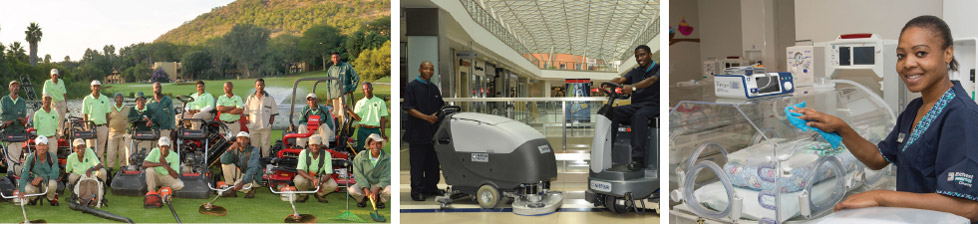



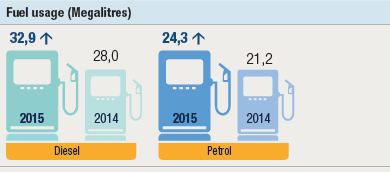


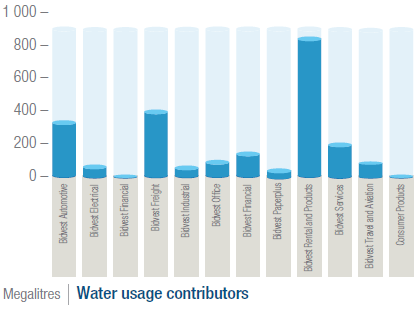







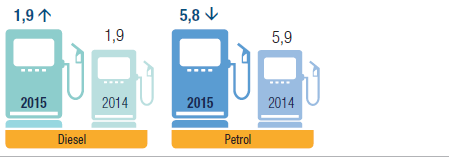



 In common with all representatives of major brands, we face the risk of losing a brand principal. This risk has been successfully managed over many years.


 Acquisition of Lighting Structures, a high-mast lighting specialist, enables us to complement the offerings of Voltex Smart Solutions in the market for street poles, street lights and LED solutions.





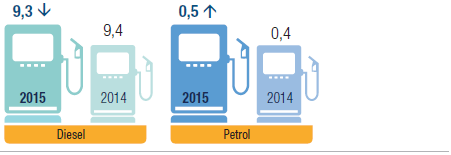
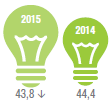




 Bidvest Medical is also positioned to benefit as new contracts come on stream.
 Our operations and people embraced the need for good environmental practice many years ago. The challenge therefore is to innovate constantly to drive further gains.


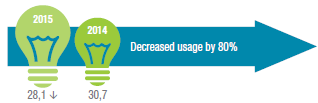





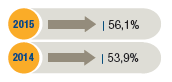
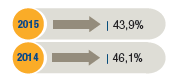

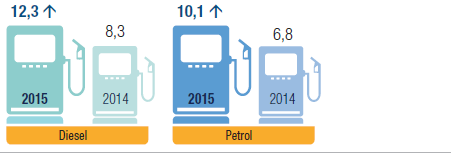



Registered office South Africa |
|
|
|

