Bidvest
The Bidvest Group Limited
Annual report 2008
 
 
Review of operations  
 
Downloads |
|
Decrease font size   Increase font size   E-mail page   Print page


Sustainability factors

All business units invest in a raft of safety and environmental measures to ensure enhanced workplace safety. We operate as good neighbours that take their environmental duties seriously.

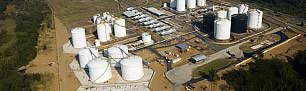
Substantial infrastructural investment at Bulk Connections and IVS is intended to make these the best environmentally managed facilities in the port system. Bulk Connections is the only multi-product bulk terminal in the country to collect run-off water into settling ponds.

Rennies Distribution Services in partnership with Enviroserv Polymer Solutions has developed the “Green Pallet” to utilise factory and consumer waste, reducing pressure on landfill sites and curtailing demand for increasingly expensive timber. The strong, dependable Green Pallet operates across a pallet-pool and employs the latest tracking technology. The solution received recognition at the 2008 Mail & Guardian Greening the Future awards.

We interact constantly with state agencies while most of our customers are major companies that strive to maintain a high BEE profile. It is therefore critical to our long-term business success that our empowerment credentials are constantly reinforced.

Seven of our businesses have been rated under the DTI codes of good practice. Bulk Connections, Safcor Panalpina, Rennies Ships Agency and Freight Bulk received level four ratings while Bidfreight Intermodal, South African Bulk Terminals and Rennies Distribution Services are at level three.

HIV/Aids remains a focus area. The challenge is particularly acute in physically strenuous activities where concentration is crucial. We try to be a supportive partner of workers living with Aids and are proud of the lead we have given to sectors of our industry, such as stevedoring, through the free distribution of antiretroviral drugs.

Efficiency has emerged as a critical sustainability factor. Even if South the 3% range, the long-term strain on the nation’s Historically, a short economic boom was followed by a prolonged lull. In the present decade, growth periods are becoming longer, driving up freight volumes. If the economies of South landlocked neighbours achieve stronger growth, logistics pressures will increase even more.

Optimising uptime and maintaining exceptionally high throughput levels is critical to business success. Bidfreight can call on experienced teams and robust, ideally located infrastructure to ensure the challenge of increasing demand is met.

Constant training is essential. Our training investment continues to be a key focus area in each business. Niche training initiatives are being implemented to enhance the skills pool.

BEE rating

 
Company Level
Bidfreight Intermodal 3
Bidfreight Port Operations 3
Bulk Connections 4
Freight Bulk 4
Island View Storage 5
Rennies Distribution Services 3
Rennies Ships Agency 4
Safcor Panalpina 4
South African Bulk Terminals 3
SACD Freight 4

Cultural factors

The decentralised Bidvest culture is embraced fully at Bidfreight. The common factor is pride in performance. Each team is output and efficiency focused and derives considerable satisfaction from the achievement of goals. Highly skilled managers have proved themselves where it counts – on the job. They and their teams take pride in their reputation for getting the job done no matter what complications they have to contend with.

The future

Despite strains in the consumer economy, Bidfreight expects the growth in freight and commodity volumes to continue. We project revenue growth of about 8% in 2009, with a rise in trading profit of approximately 10%.

High interest rates will remain beneficial for our disbursement businesses while sustained investment in equipment and enhancements to existing infrastructure will enable our port-based assets to handle higher volumes at acceptable margins.

Our capacity utilisation models assume GDP growth of close to 4% and that continued investment in national infrastructure will provide a strategic underpin to key import activities. Several major private sector players are also engaged in long-term expansion or refurbishment of infrastructure. During the expansion phase, these projects support imports. When completed, many of these private-sector initiatives will support stronger commodity exports.


We believe commodity exports will continue to grow and anticipate continued success with our overall strategy of making every business unit cash-positive. Working capital management is a priority for all teams.

Capital expenditure is well controlled and will remain so. Most investment is in more productive equipment and systems; spending designed to achieve a relatively fast return.

Strategic investment is well motivated. We plan a R400 million investment over three years in expanded bulk liquid capacity in Durban and Richards Bay. South experienced five years of growth, creating a step change in demand for oil and related products. The long-term search for alternatives and greater energy efficiency will not send these trends into reverse any time soon. Bulk liquid activities seem certain to become an increasingly important revenue generator.

We project more positive scenarios in some areas in which we were under pressure in 2008. We endured some difficulties in the distribution business, but believe the situation will stabilise.

Some segments of the freight industry may face challenges in a more testing economic environment. We remain alert for acquisition opportunities.

 
Top